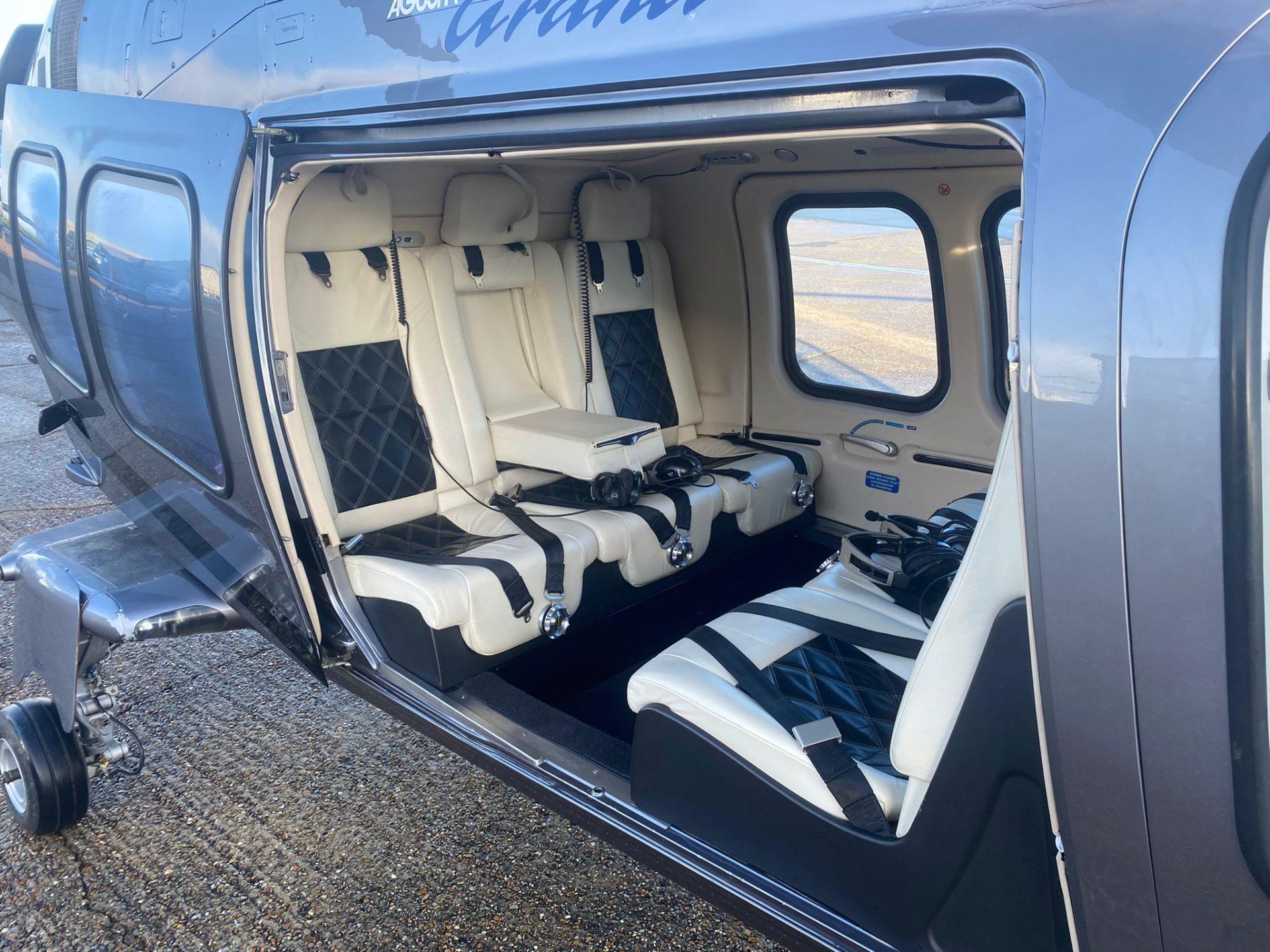

Flying a Helicopter Over Central London: Heli Lanes, Heathrow Crossings, and Full ATC Control
Flying a helicopter over Central London is one of the most exciting and tightly regulated aviation experiences in the world. It’s not just about incredible views of the Thames, Tower Bridge, and the London skyline — it’s about operating inside one of the busiest and most complex airspace environments anywhere on the planet.
For anyone considering a helicopter charter in London, understanding how heli lanes work, what it takes to cross Heathrow’s controlled airspace, and why full Air Traffic Control (ATC) guidance is essential adds a whole new level of appreciation to the flight. At Battersea Helicopter (London Heliport), every journey is planned with precision, safety, and maximum sightseeing value in mind.
This is what really happens behind the scenes when a helicopter lifts off from the London Heliport and heads into the heart of the capital.
Why Central London Helicopter Flying Is So Unique
London is not a normal city to fly over. The combination of dense population, sensitive landmarks, government buildings, restricted zones, and proximity to major airports means helicopter operations are heavily managed.
Unlike rural helicopter flights, a helicopter charter over London is planned around strict aviation rules that control:
- where helicopters are allowed to fly
- how high they can fly
- Which routes must be followed?
- How noise impact is reduced
- How helicopters integrate with commercial aircraft traffic
Every flight is carefully structured, which is why a charter from the London Heliport at Battersea is considered one of the most professional helicopter experiences in Europe.
Understanding London’s Heli Lanes (The Helicopter “Highways”)
To keep helicopter traffic predictable and safe, London uses designated heli lanes and established corridors. Think of them as airborne routes designed to guide helicopters through the city while keeping them separated from fixed-wing aircraft.
These routes are essential because Central London lies within complex controlled airspace, including areas affected by Heathrow, London City Airport, and RAF activity.
What heli lanes achieve
Heli lanes help ensure:
- Helicopters avoid restricted areas
- Aircraft remain predictable to ATC
- Noise-sensitive zones are minimised
- sightseeing routes remain safe and compliant
Many London helicopter charter routes naturally follow the Thames corridor, offering passengers spectacular views while staying aligned with approved aviation procedures.
So while it might look like a free-roaming sightseeing flight, a helicopter moving across Central London is usually following a highly controlled and pre-approved path.
Heathrow Airspace Crossing: One of the Most Iconic UK Helicopter Procedures
A major talking point in UK helicopter flying is the Heathrow crossing.
Heathrow is one of the busiest airports in the world, with constant arrivals and departures from multiple runways. Crossing through Heathrow-controlled airspace in a helicopter is not something that happens casually — it requires strict coordination, precise timing, and ATC clearance.
What makes Heathrow crossings so complex?
A helicopter crossing Heathrow’s airspace may involve:
- altitude restrictions to avoid commercial flight paths
- speed control to maintain safe sequencing
- real-time clearance changes depending on runway use
- delays, holding patterns, or reroutes if traffic increases
In some cases, the crossing may not be possible due to weather or operational restrictions. This is why experienced operators are essential when booking a helicopter charter from Battersea.
The passenger experience
For charter clients, a Heathrow crossing is unforgettable. Seeing the airport complex from above — including Terminal 5 and the vast runway system — is a rare viewpoint that very few people ever experience.
But behind the scenes, it’s one of the most regulated parts of London helicopter flying.
Full ATC in London: Constant Communication, Real-Time Instructions
In Central London, helicopters operate under intense ATC oversight. That means the pilot is in continuous two-way radio contact with air traffic controllers, receiving instructions throughout the flight.
What “full ATC” really means
ATC may issue:
- altitude clearances
- heading changes
- speed restrictions
- sequencing instructions
- traffic avoidance direction
This is not a “take off and cruise” environment. London is dynamic, and airspace conditions can change minute by minute.
For passengers on a London helicopter charter, this is reassuring. It means the flight is not only scenic, but professionally managed within one of the safest aviation systems in the world.
Weather, Visibility, and Why London Flights Require Planning
Even with advanced aircraft and skilled pilots, London’s weather plays a huge role. Low cloud, fog, strong winds, and reduced visibility can quickly change flight routing.
This is why professional helicopter charter operators always build contingency planning into every booking.
At Battersea, routes are designed to maximise the experience while staying compliant with:
- weather minima
- visibility requirements
- controlled airspace limitations
- noise abatement procedures
The result is a flight that remains safe, smooth, and properly managed — even if the plan needs minor adjustments.
Helicopter Charter from Battersea: The Gateway to Central London
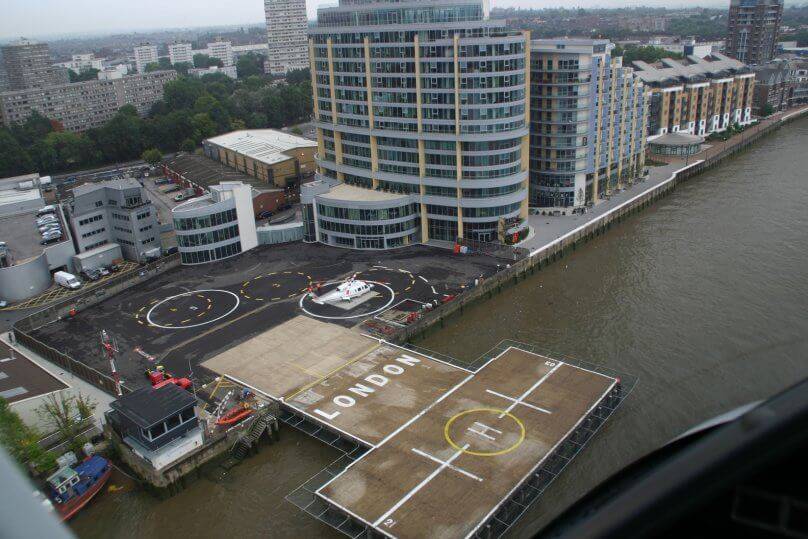
The London Heliport at Battersea is the capital’s most famous helicopter hub and the natural departure point for executive and sightseeing flights.
A helicopter charter from Battersea Helicopter offers direct access to London’s skyline within minutes, with options including:
- scenic sightseeing circuits
- airport transfers (Heathrow, Gatwick, Farnborough, Biggin Hill and more)
- private jet connections
- corporate and VIP travel
- event flights and photography charters
For clients, it feels effortless. But every flight is built around airspace strategy, route planning, and real-time ATC compliance.
Safety First: Why London Helicopter Charter Is Highly Regulated
London helicopter charter operations depend on strict UK aviation standards. Aircraft must be maintained to exacting requirements, pilots must be trained for controlled airspace procedures, and operators must meet CAA regulatory standards.
Key safety elements include:
- pre-flight safety briefings
- route planning around restricted zones
- continuous ATC communication
- emergency and diversion planning
- strict operational compliance
This is why choosing an experienced operator is non-negotiable when booking a helicopter charter in London.
Final Thoughts: A Helicopter Flight Over London Like No Other
Flying over Central London is far more than just a sightseeing trip — it’s a carefully managed operation through one of the most controlled airspace environments in the world. The combination of heli lanes, Heathrow crossings, and full ATC guidance makes every flight a unique aviation event.
For anyone looking to experience the capital from above, a helicopter charter from Battersea Helicopter delivers an unforgettable blend of luxury, adrenaline, and precision aviation — with the London skyline unfolding beneath you in a way few people ever get to see.
If you’re ready to experience the ultimate helicopter charter in London, Battersea is where the journey begins.